
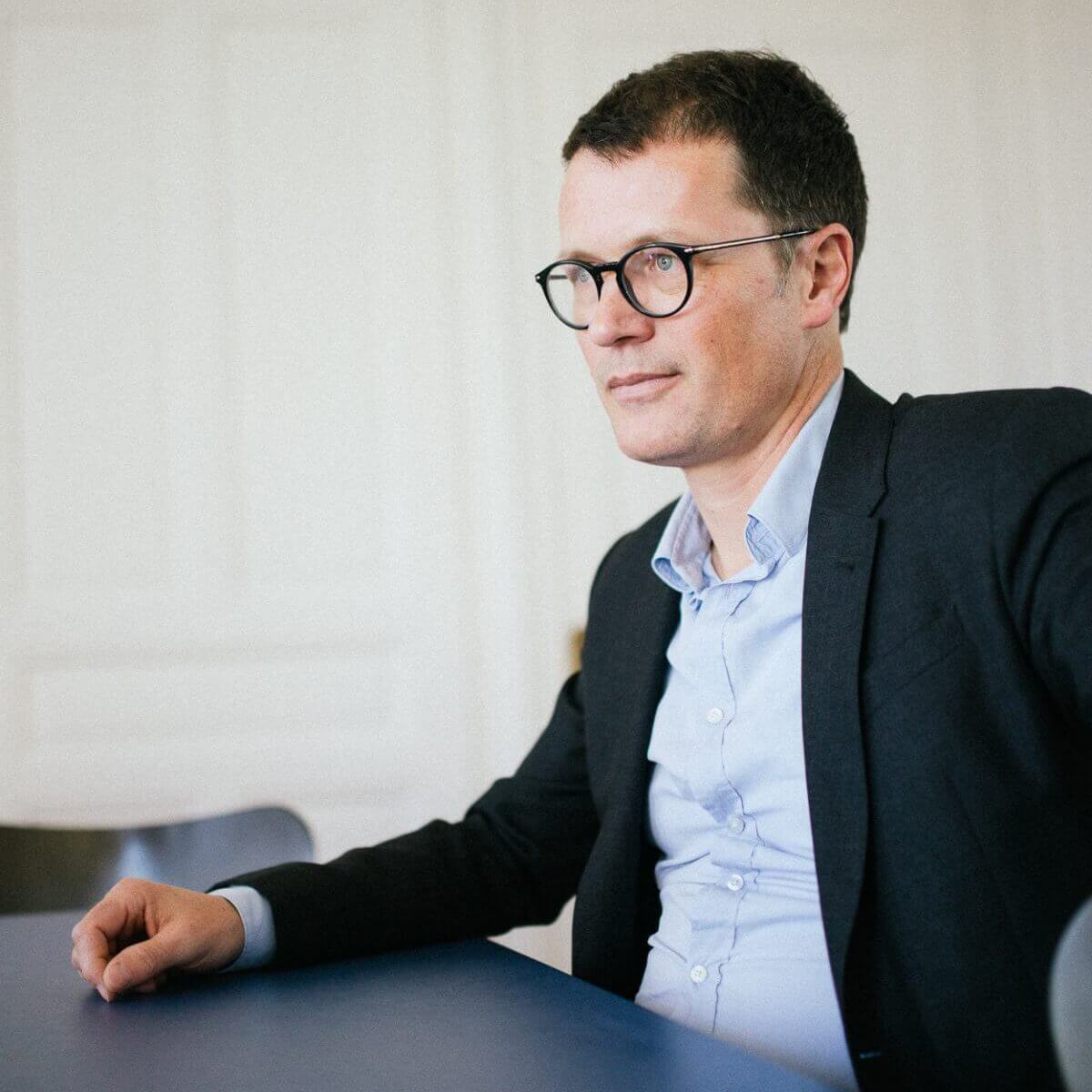
Christophe Saam is an engineer who works as a patent consultant and judge. He was born in Neuchâtel, worked in various cities in Switzerland and in Berlin before returning to settle in Neuchâtel.
P&TS, founded in 1998 in Neuchâtel, is a consulting firm specializing in intellectual property. The company expanded with the opening of an office in Zurich in 2015.
The canton of Neuchâtel in three words?
Innovative: We're very good at innovating, especially in areas where we already have a strong foundation.
Traditional: innovative, but rarely disruptive…
Quality of life: The canton is ideally located between lakes and mountains, with quick access to major urban centers. Historically, a culture of hospitality has been deeply ingrained in the local mindset.
Why did you choose Neuchâtel as the location for your business?
The history of P&TS began in 1998 in Neuchâtel. Although most law firms specializing in intellectual property are located in Geneva or Zurich, Neuchâtel is a strategic location because it is situated at the center of these economic hubs.
Our clients are primarily based in Switzerland and along the French border, and clients from Neuchâtel account for 10% of our portfolio.
What are the challenges of intellectual property, and how does it affect your business?
In 2019, we are celebrating our 20th anniversary—the end of our “adolescence.” We are reflecting on our positioning because intellectual property has evolved significantly. In the past, intellectual property tended to create silos so that inventions remained confined within the company. In a world of open and collaborative innovation, patents are viewed differently. It has become a bargaining chip, generating revenue for the patent holder through the sale of licenses. The role of an intellectual property firm is to create a legal framework around the invention to strike the right balance between protection and dissemination, ensuring that the technology is exploited to its full potential and maximizing its impact.
Overall, it has become more attractive, more visible, and more technology-driven, particularly in the wake of major legal disputes such as those between Apple and Samsung. New entities, such as startups and universities, now regularly rely on patents.
What do you think of the industrial and economic vitality of the Neuchâtel region?
Highly industrialized, the region is home to undisputed leaders in their respective technological niches, recognized for the quality of their work. We are innovating incrementally in relatively traditional industrial sectors, such as mechanical watchmaking, machine tools, and the electrical industry. These sectors will continue to exist, but they will not experience the strongest growth in the future. I believe it is essential that we also invest in disruptive fields, such as software and artificial intelligence.
How do you envision Neuchâtel in 10 years?
I hope that traditional companies will navigate the transition to Industry 4.0 with agility. While continuing to lead the way in precision, I hope that major players in the digital industry will partner with them and establish themselves in the canton. Finally, I envision Neuchâtel with more startups.
In terms of the business environment, the canton of Neuchâtel is attractive. In my view, the government will have a crucial role to play in the field of education to train generalists and individuals with interdisciplinary backgrounds who are capable of responding flexibly to new technological and societal challenges. The state must also ensure openness to the world so that talented individuals continue to want to come here. Ultimately, people remain the driving force behind innovation.