

Discover the companies that make up Neuchâtel’s economic fabric!
In what field does Vitrocsa operate?
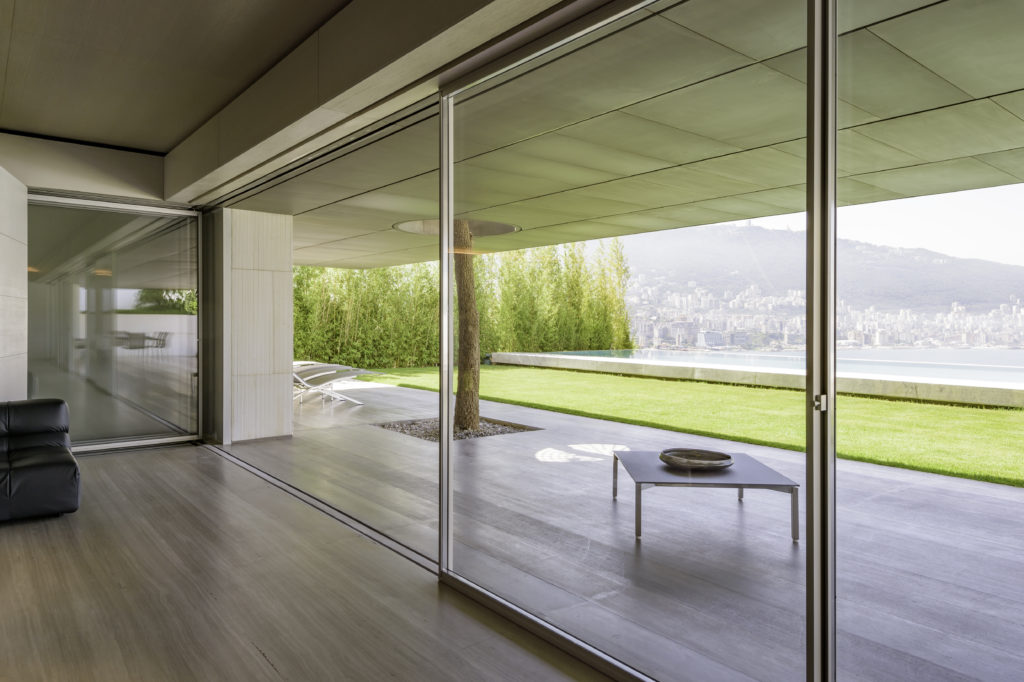
Vitrocsa (Vitres-Orchidée-Construction SA) was founded following Eric Joray’s invention of the modern minimalist window. As of 2019, the company employs about 20 people in Saint-Aubin, NE. We devote most of our time to Research and Development (R&D) and manufacture 30% of our products in our own workshop. The remainder is produced abroad by our authorized partners, whom we have trained. We also collaborate with authorized partners for the sale and installation of our products.
Are your products primarily intended for the Swiss market or for international markets?
Nearly 90% of our products are exported worldwide, and about 10% are sold in Switzerland. Given the size of our country, we are fully satisfied with this breakdown. We export to the United States, Australia, and the United Arab Emirates, among other countries.
How has the company grown strategically over the past 15 years?
Our strategy underwent a fundamental change in 2007. Previously, 90% of our business was focused on the Swiss market. In 2004, we decided to delegate the installation of our products to authorized partners so that we could devote more energy to R&D. We then established new partnerships abroad to adapt our products to market needs. Now, we have partners all over the world who keep us informed of market needs, and we make decisions together with the strategic team based in Saint-Aubin. In Australia, for example, they primarily use single-pane glass. However, their demand is changing as they realize that when buildings are air-conditioned, insulated glass is a better fit.
These changes led to a restructuring of the team, and we moved into a single building in St-Aubin in 2010. Finally, in 2015, the company was acquired by six employees (a management buyout) who hold strategic positions within the company.
As a result of these changes, you are staying in the canton of Neuchâtel. What led to this decision?
There was a desire to remain in Saint-Aubin, given the company’s history and Eric Joray’s background in the watchmaking industry. Our watchmaking heritage plays a vital role in our approach, our processes, and our reputation. We highlight our expertise in precision micromechanics as well as the “SwissMade” label— two characteristics unique to the canton of Neuchâtel.
That’s also what sets us apart from our competitors, most of whom are based overseas. The market for modern minimalist windows is highly sought-after—just like all good ideas, really.
Are there any specific collaborations that have had a significant impact on your company?
Foster and Partners had 150 villas to build in Cyprus. As part of this project, we developed a system for them called “Turnable Corner.” It consists of glass panels that rotate at the corners and can be stored in a designated space. The project never came to fruition, but it allowed us to create a new product. We subsequently continued our collaboration with Foster and Partners on other projects.
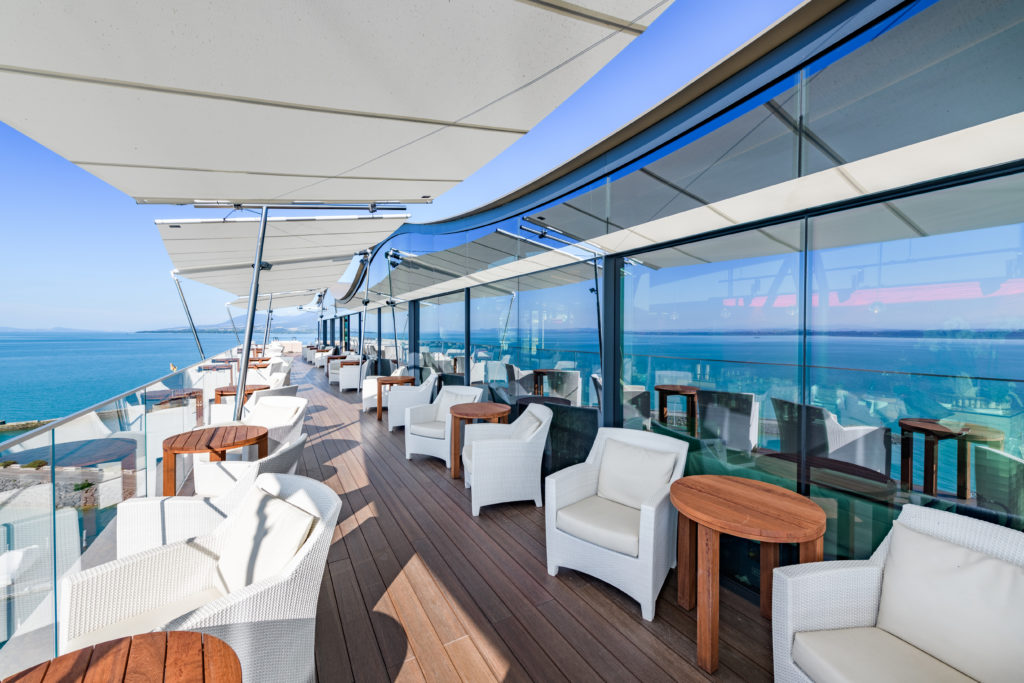
In the region, we have participated in exceptional projects such as the Piaget building in Geneva and the Beaulac Hotel in Neuchâtel. Both required extensive research to find the right solution. For the Beaulac project, for example, we had to incorporate smart glass so that the windows would darken in response to sunlight.
Is the minimum window size affordable for individual homeowners?
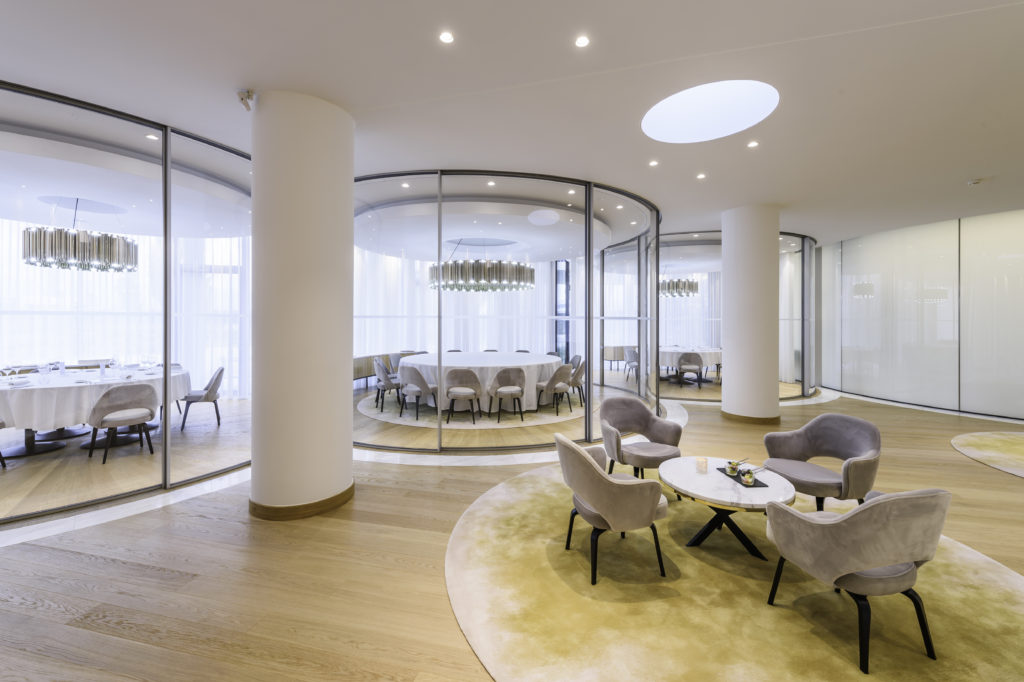
There are more and more minimalist windows in private homes. In fact, since the cost of a window is factored into the budget from the outset, it can serve as a decorative element in its own right.
Do you have any new goals for your markets?
We recently decided to enter the Nordic market, and the feedback has been positive. To raise our profile, we’re participating in trade shows like BAU in Munich to forge new partnerships. In the construction industry, trade shows play an important role and have a rapid impact in terms of visibility. Last year, we invested significant resources in advertising—nearly 10% of our revenue.
In addition, we engage in digital marketing. We haven’t been very active in that area lately, but we recognize its importance. We have some beautiful architectural projects to showcase, and all of our partners are on Instagram.
What are your hopes for the Neuchâtel region over the next ten years?
I hope that in a few years, the administrative process will be more streamlined to make it easier to carry out expansion projects. In fact, we had plans to build a market hall. Due to some delays, we put the project on hold. That said, perhaps the timing wasn’t right, and we haven’t given up on the idea of carrying it out someday.
Article by Abnet Sebhatu and Victoria Barras